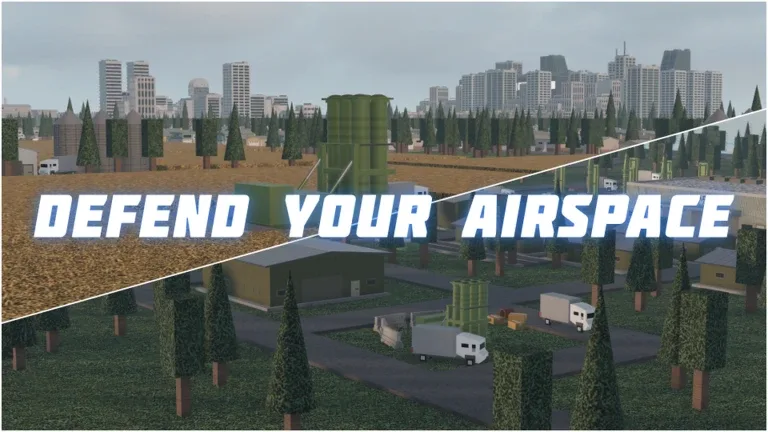
How to Build and Conquer with Trucks in Roblox: Strategy Guide
Master the economy of Build and Conquer on Roblox. Learn how to optimize your truck fleet, manage resources, and dominate the battlefield effectively.
Published: Build and Conquer Wiki Editorial Team
Table of Contents
Mastering Logistics in Build and Conquer
In the competitive world of Build and Conquer on Roblox, your success is fundamentally tied to your ability to manage an efficient economic engine. Unlike simple combat games, this title requires players to treat their base as a living, breathing supply chain. If you are looking to dominate the map, you cannot rely solely on firepower; you must master the art of logistics, specifically regarding how you deploy and maintain your trucks.
Trucks are not merely cosmetic assets or simple transport units; they are the primary mechanism for moving raw materials from collection points to your production facilities. In this guide, we will break down how to optimize your truck usage, why your fleet composition matters, and how to protect your assets while expanding your influence on the official Build and Conquer page.
The Role of Trucks in Your Economic Cycle
Efficiency is the currency of Build and Conquer. When you start, your initial trucks are basic, designed to handle small loads over short distances. However, as your territory grows, the distance between resource nodes and your base increases, creating a bottleneck.
Tip
Always prioritize upgrading the cargo capacity of your trucks before investing in speed. A faster truck that carries less will spend more time idling at loading docks, whereas higher capacity reduces the frequency of trips, minimizing the risk of interception by enemy players.
Why Fleet Management Matters
If your trucks are constantly stuck in traffic or taking suboptimal routes, your production line will starve. According to general player experience, the most successful bases are those that maintain a "flow state"—where materials are constantly moving from collectors to storage or manufacturing centers. If you notice your factories are flashing "out of resources" icons, your truck fleet is likely insufficient or poorly routed.
Strategic Deployment and Defensive Measures
Because your trucks are the lifeblood of your economy, they are also your greatest vulnerability. Enemy players are well aware that destroying your supply line is the fastest way to cripple your defensive capabilities.
Warning
Do not leave your trucks unattended in open fields. If your logistics path crosses through contested territory, you must invest in defensive structures or escort units. A lost truck represents not just the cost of the vehicle, but the loss of the cargo it was carrying, which can set your progress back by several minutes of production time.
Optimizing Pathing
While the game handles much of the pathfinding automatically, you can influence efficiency by placing your resource collectors as close as possible to the truck depots. Keep these points in mind:
Centralization: Keep your storage close to your production buildings.
Redundancy: Never rely on a single truck route. If one path becomes blocked by debris or combat, having a secondary route ensures your economy doesn't hit a complete standstill.
Upgrade Timing: Wait until you have a surplus of materials before upgrading your entire fleet. Upgrading during a period of scarcity can leave you without the necessary transport to keep your base running.
Scaling Your Economy for Late-Game Dominance
As you progress in Build and Conquer, the scale of your operations will inevitably shift. The early-game focus on individual truck management will transition into a need for automated fleet oversight. The Slop Company has designed the game to reward players who can foresee the resource demands of their late-game structures.
[ ] Evaluate your current resource output vs. factory consumption.
[ ] Identify "choke points" where your trucks often get stuck.
[ ] Ensure your defensive turrets cover the primary transit lanes.
[ ] Audit your fleet size to ensure it matches your current expansion level.
Balancing Infrastructure and Transport
A common mistake among new players is "over-building." They construct massive factories but fail to account for the trucks needed to keep them supplied. If you find yourself with expensive buildings that sit idle, you have over-extended. Instead, pause your construction and reinvest your capital into your truck fleet. A smaller, well-supplied base will almost always outperform a large, starving one in the long run.
FAQ: Common Concerns
Can I customize my trucks in Build and Conquer?
At the current stage of the game (V0.1), customization is focused on performance upgrades rather than aesthetic modifications. Focus your currency on stats that improve survivability and throughput.
What happens if my truck is destroyed?
When a truck is destroyed, you lose the cargo it was carrying, and you will need to pay a repair or replacement cost. This is why defensive positioning for your supply lines is a top priority.
How many trucks should I have?
There is no "magic number." Your fleet size should be proportional to your resource collection rate. If your collection nodes are full and your factories are empty, you need more trucks.